Begin with a reliable test result
Radon is a naturally occurring radioactive gas that can enter a home from the ground. A measurement is needed to understand the indoor level. Follow the test provider's instructions for placement, duration and building conditions. Bring any existing report when you call so the reading and test conditions can be discussed.
Match the system to the foundation
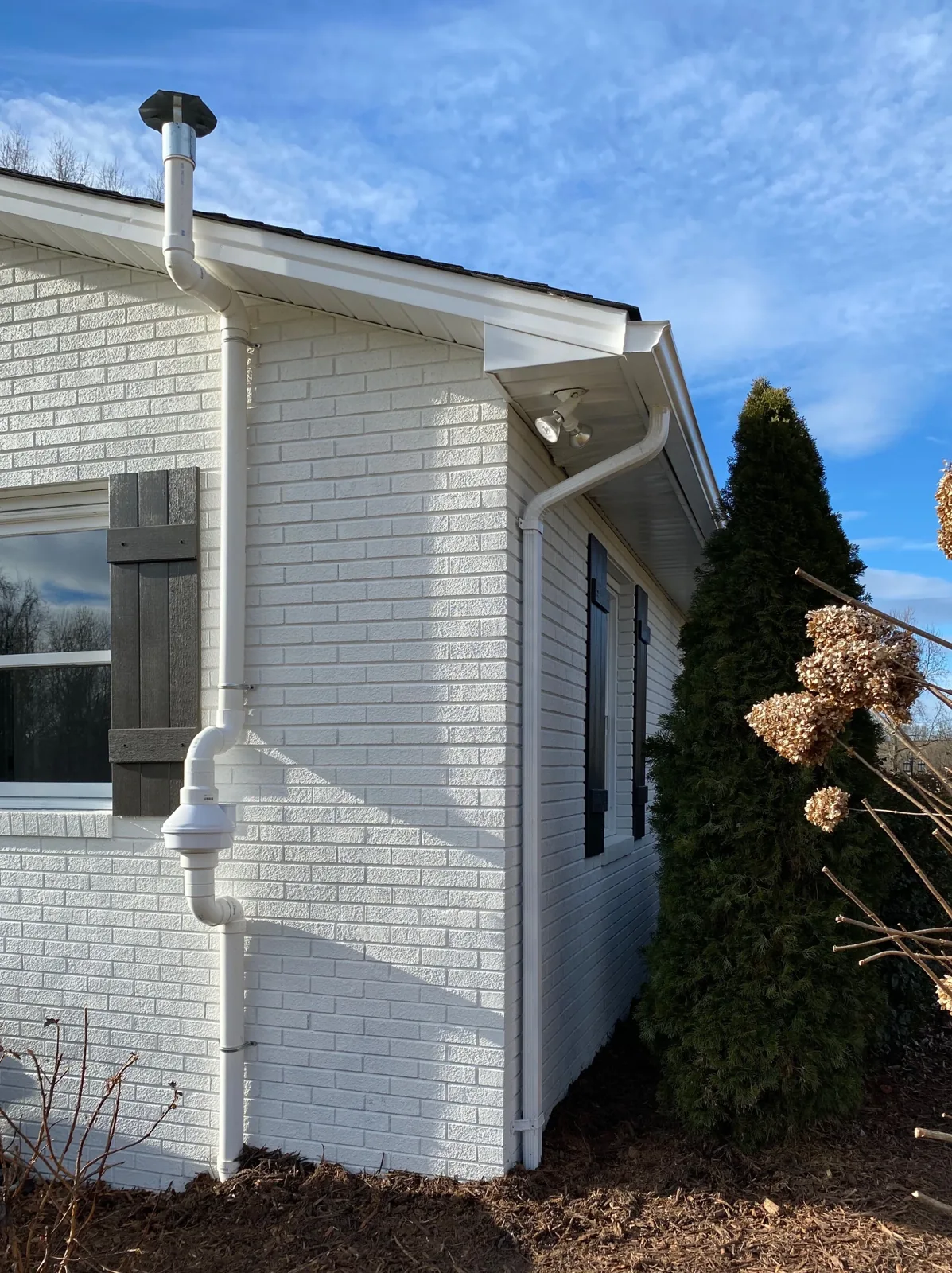
Radon reduction commonly uses a collection point, piping and a fan to redirect soil gas outside rather than allowing it into the home. A basement, slab or crawl space can require a different layout. Foundation openings and the proposed exhaust route are part of the evaluation.
Existing homes and new construction
The established service offering includes radon reduction for both existing homes and new construction. Planning before finishes are installed can make routing easier. For an occupied home, ask where piping and equipment would be placed and what access is needed.
Verify after installation
A running fan is not proof of a particular indoor radon level. Post-installation testing verifies the result, and ongoing checks help identify changes. Ask about system indicators, follow-up testing and maintenance responsibilities. A radon system is not a substitute for solving basement flooding or crawl space drainage.